Siobhán Burke, AIA & Aaron Vaden-Youmans, AIA
A Call to Action: Empowering Community Resilience in Los Angeles


A Call to Action: Empowering Community Resilience in Los Angeles
*Written by Siobhán Burke, AIA & Aaron Vaden-Youmans, AIA
“There is no such thing as a natural disaster,” the disaster sociologists say. As Rebecca Solnit reminds us, no matter the origins of a disaster, human systems—physical, cultural, political—can amplify, channel, or mitigate its impacts. This perspective is critical as we confront the climate-driven hazards reshaping our lives here in Los Angeles.
Today, as we face record heat and catastrophic fires, the questions before us are not only about health and safety, insurance, or permits for rebuilding—though those are critical. They cut even deeper. They are ethical. They reach the heart of how we live, work, and care for one another in a city of extraordinary beauty, diversity, and complexity.
While many climate-related hazards threaten Los Angeles, heat poses the greatest risk to public health. Heat waves disproportionately impact neighborhoods where residents lack air conditioning, where concrete dominates over tree canopy, and where urban heat islands concentrate thermal stress on our most vulnerable populations. Climate change is no longer a future scenario—it is here.
From Reactive to Proactive Resilience
Across California and beyond, we face relentless climate-driven shocks: record heat, catastrophic fires, flooding, and intensified storms. Yet even as crises mount, so does our collective response. Angelenos consistently demonstrate adaptive capacity, innovation, and resolve after disasters strike. But resilience cannot remain reactive. To truly serve our communities, resilience must become proactive—addressing inequity and vulnerability before the next crisis hits.
Resilience extends beyond recovery to transformation. In Los Angeles, this means preparing for climate risks while advancing social equity. It means ensuring our most vulnerable neighborhoods don’t face heat waves, fires, and floods without adequate support systems. And it means recognizing that design extends far beyond buildings to encompass systems, communities, and the relationships that sustain them.
We know that resilient communities can withstand, recover from, and thrive in the face of climate disasters. Organizations like The Resilient Cities Network compile this research through their Resilience4Communities program. This community resilience capacity can be significantly enhanced by conscientiously nurturing and interweaving the five capitals: human capital – the skills and knowledge residents possess; social capital – the networks and trust between neighbors; plus physical, natural, and financial capital.
The key is understanding what communities know, think, and believe about risks and mobilizing “people as infrastructure” – the human and social capital – to inform the other infrastructural components, including physical, natural, and financial capital, and implementing co-created solutions that help them, their cities, and regions become more resilient.
Why Architects and Designers Are Essential
Our profession uniquely positions us for this challenge. We convene stakeholders, integrate complex systems, and translate abstract visions into built realities. These competencies are urgently needed to help communities adapt, thrive, and imagine futures beyond crisis. Robust social networks and evidence-based design interventions — both of which architects can support — can be the difference between a neighborhood that suffers and one that thrives when temperatures soar.
Building on Existing Strengths
Los Angeles already possesses extraordinary assets for resilience building. Neighborhood Councils offer hyperlocal focus and deep community ties, positioning them to lead grassroots resilience efforts. The City’s Climate Emergency Mobilization Office (CEMO) advances systemic climate action and justice strategies. LA County’s Public Engagement Toolkit for Heat Action Planning supports equitable, community-centered adaptation.
The Architecture for Communities Los Angeles (ACLA) provides another critical platform connecting community-driven design initiatives and inspiring people to value architecture, empowering all to create a better Los Angeles. Community-level work is essential because city and county-wide plans succeed only when they translate into hyperlocal action.
Heat doesn’t affect all neighborhoods equally – it concentrates in areas with less tree cover, more pavement, and older housing stock. For example, neighborhoods like Pacoima and parts of South LA experience significantly higher temperatures than coastal areas due to reduced vegetation and extensive heat-absorbing concrete and asphalt. Flooding follows specific topographies and drainage patterns. Fire risk varies block by block based on vegetation, building materials, and evacuation routes. Generic solutions can’t address these granular realities.
Community-level work ensures that broader resilience strategies actually reach and protect the people who need them most, while building the social networks that make any emergency response effective. These interconnected efforts don’t need duplication – they need amplification and coordination that flows both up and down: community insights informing city policy, and city resources empowering neighborhood action.
Taking Action: Three Steps
A Personal Commitment
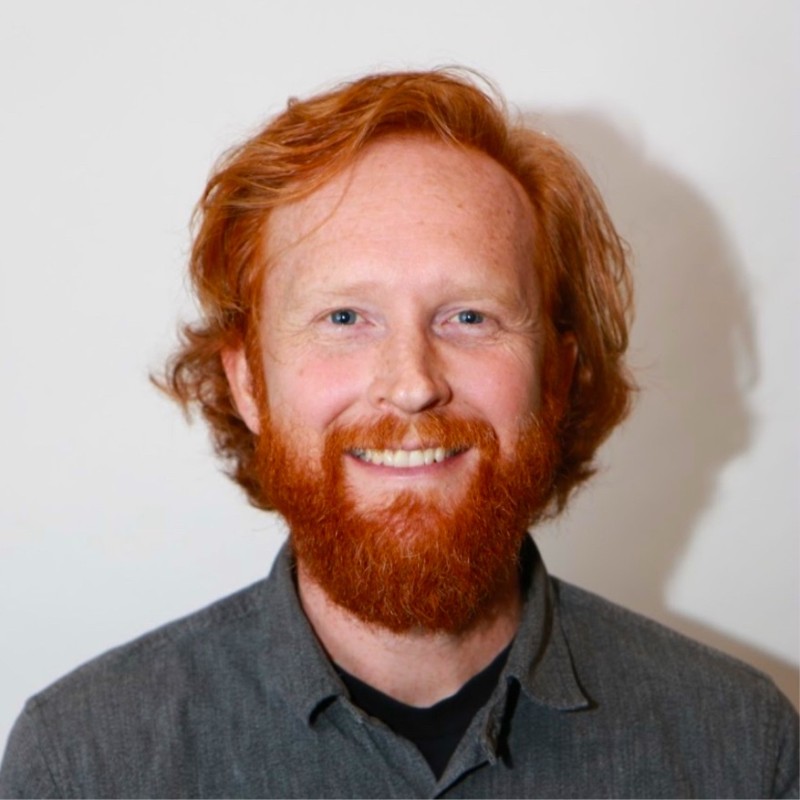
This work has already begun in our communities. Aaron has joined the Del Rey Neighborhood Council Green Committee to engage neighbors on shaping resiliency efforts locally, matching with CEMO and HARP efforts. Siobhan serves on the Board of the Architecture for Communities Los Angeles (ACLA), which provides opportunities for K-12 students with transformative design workshops. Organizations like the 99 Neighborhoods Network are also connecting community-driven resilience initiatives across the region. We can all assist the next generation in imagining their role in designing for the environment – one that we should both protect and celebrate.
The Urgency of Now
Let’s harness our collective expertise to build adaptive capacity before the next heat wave, fire, or flood. The County just released a draft of the first-ever LA County Heat Action Plan (CHAP), “an all-of-government strategy for ensuring our communities and ecosystems can thrive in the face of rising temperatures.” CHAP is specifically designed to complement and support local municipal efforts like the upcoming Heat Action and Resilience Plan (HARP). You can comment on the plan and attend partner workshops this month.
Resilience belongs to no single profession, agency, or neighborhood – it requires shared commitment to care for one another and design a future where everyone can thrive. We’ve proven we can come together after disasters. Now we must come together before disasters.
We invite fellow architects and designers to join this effort. Let’s build momentum through our professional organizations and community-based organizations. Together, we can make Los Angeles not only a city of resilience, but a city of hope in action. “Hope just means another world might be possible, not promise, not guaranteed. Hope calls for action; action is impossible without hope.” – Rebecca Solnit, Hope in the Dark: The Untold History of People Power
Connect and Participate
For those ready to collaborate, connect as residents, constituents, and design professionals through:
Share your engagement at:
#Architects4CommunityResilience
*Disclaimer: The advice and perspectives shared here belong to the authors and should not be considered official recommendations from AIA Los Angeles or its Board of Directors.
Siobhán Burke, AIA, LEED AP – Principal, Lyric Design and Planning & Founder, 99 Neighborhoods Network
Siobhán Burke, AIA, LEED AP is the Executive Director of the 99 Neighborhoods Network, a non-profit that facilitates inclusive placemaking for resilient communities. She is also the founder of Lyric Design & Planning, a public space design office in Los Angeles. Her work focuses on connecting communities through networks of healthy waterways, streetscapes, parks, and plazas. As a Board Member of ACLA, she has enjoyed programming pop-up events at Ciclavia and the Mid-City Arts & Music Festival.
Aaron Vaden-Youmans, AIA, LFA, ENV SP – Sustainability Lead (North America), Grimshaw Architects
Aaron Vaden-Youmans, AIA, LFA, ENV SP is the North American Sustainability Lead at Grimshaw Architects, where he advances climate action and regenerative design grounded in science and equity. An architect and optimist, he believes we can build the world we want by forming tighter, more durable coalitions and finding new synergies to expand our bench of allies. He also serves on the National Steering Committee of US Architects Declare Climate, Justice, and Biodiversity Emergency. Aaron lives in the Del Rey neighborhood of Los Angeles.


