AIA|LA ARCHITECTS IN ACTION:
Naoko Miyano, AIA, DBIA

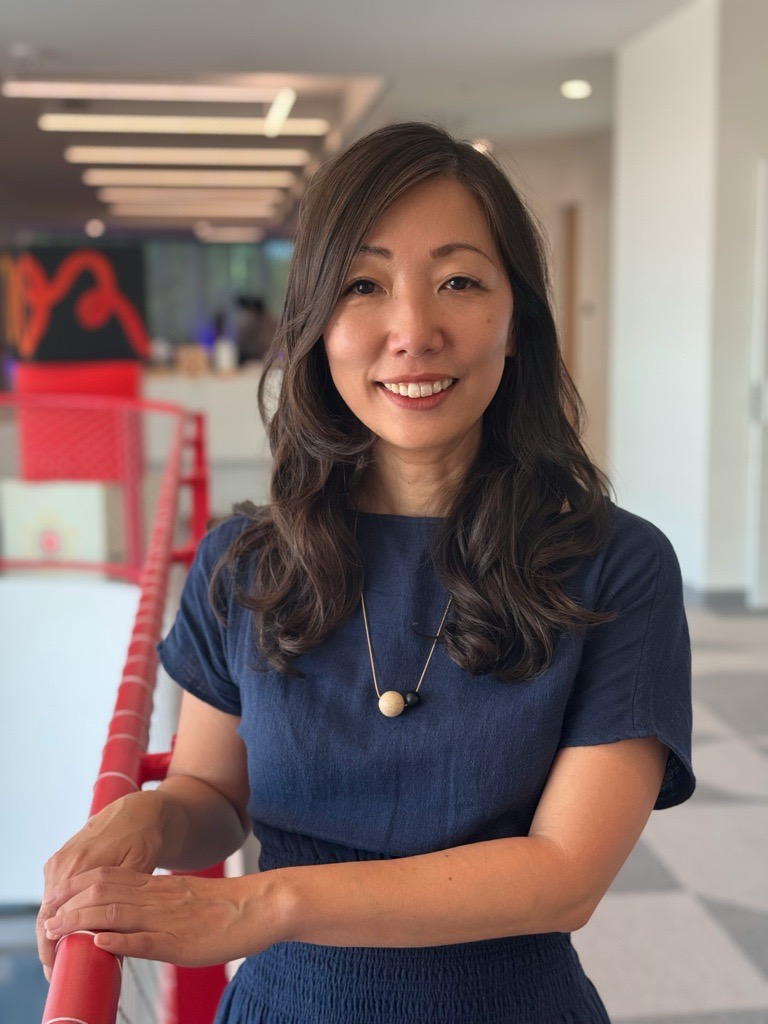
Architects in Action: An Interview with Naoko Miyano, AIA, DBIA – Associate Principal & Design Director, AC Martin
The Evolving Role of the Architect
• Beyond Design: Your career spans a diverse range of projects. How has your unique approach to design evolved, especially in projects that involve community outreach and social responsibility?
For the past decade, I’ve worked at AC Martin, a firm rooted in a culture of community service and volunteerism. Guided by my mentors, I realized that architectural practice serves not only clients but also contributes to society. This perspective shaped me into a strong advocate for designing equitable communities and reinforced my belief that serving our community and society is a vital responsibility of architects.
I have worked on a diverse range of projects, but I’ve found my calling in higher education initiatives because I firmly believe that access to higher education is one of the most powerful tools for creating a more equitable society.
Higher education projects are more than just buildings – they serve as platforms for social mobility, personal growth, and community transformation. With thoughtful design and genuine engagement, we can help shape a fairer and more equitable society.
Collaborating with campus architects and educators who share this vision has been among the most rewarding parts of my practice.
How has your leadership as a design professional and advocate evolved, and what experiences have shaped your commitment to supporting women in architecture and building a diverse pipeline within the AEC industry?
My leadership as a design professional and advocate evolved in tandem. I’ve seen many women in architecture leave the field due to the challenges of balancing work and life. As a mother of two, I’ve faced those challenges myself. These experiences reinforced my conviction that a strong support system is crucial for women in architecture, underscoring the importance of resilience, mentorship, and diversity within the AEC industry.
This commitment started with the AC Martin Social Responsibility Committee. As a co-chair of the committee, I organized community outreach events such as the Girl Scout Career Exploration Day to introduce girls to the profession of architecture. It continued through my involvement with the AIA|LA Professional Practice Committee and the ACLA Design by Diversity Committee. Design by Diversity is an annual AIA|LA/ACLA event that promotes equity, inclusion, and representation in design in Los Angeles and aims to create diverse pipelines for the AEC industry.
Through these groups, I expanded my network, developed leadership skills, and found a supportive community of like-minded colleagues. These experiences have enriched my practice, strengthened my connections within the profession, and provided me with the resilience to keep growing and advocating for equity in architecture.
Design with Purpose: Community & Impact
• Design as a Catalyst: You have a passion for designing environments that inspire both people and their communities. Can you share a specific example of a project where your holistic approach had a significant impact on the people and community it serves?
At AC Martin, I am fortunate to have opportunities to work on mission-oriented projects with inspiring clients who allow me to integrate advocacy into my design process and create environments that serve and uplift communities. A recent example is the SDSU Sciences and Engineering Laboratories, which provide teaching and research laboratories, faculty offices, and collaborative spaces for public and private partners to work alongside faculty and students. Located in the historically underserved community of Brawley, California. The facility offers local students–many from immigrant and multi-generational families–the opportunity to pursue a four-year degree close to home. As part of the design process, I led research and student engagement efforts, ensuring that the design reflects the values, heritage, and identity of the Imperial Valley while supporting SDSU’s academic mission. Through this process, the team delivered a building that both the University and the community are proud of.
For each project, I strive to design spaces that foster a strong sense of belonging—environments where students can thrive both academically and personally. A thoughtfully designed campus not only supports educational outcomes but also nurtures community and connection among students. A holistic and contextual approach helps to understand local character, campus identity, and cultural values. This ensures that my designs feel both grounded and authentic.
• From Concept to Community: You’ve championed community outreach as an integral part of professional practice, organizing initiatives like “It Takes a Studio.” How can firms begin to effectively integrate philanthropy into their practice and measure the true impact of their efforts?
In 2021, through the AIA|LA Practice Committee, we organized “It Takes A Studio: Helping to Raise Communities Through Design and Volunteer Projects”, an event showcasing how design can directly uplift communities. The committee presented a virtual panel highlighting projects from around the world that improve community well-being, with the aim of inspiring architects to integrate philanthropy into their practice. At this event, our message was that firms or individual architects can meaningfully integrate philanthropy into their practice—whether through small initiatives or large-scale efforts. The scale doesn’t matter; what’s important is taking action. We aimed to create a space where firms could share their efforts, learn from one another, and be inspired. I also believe in the importance of endurance in advocacy. We hoped an event like this would help recharge energy, strengthen a sense of community, and encourage people to keep pushing forward by sharing their stories.
Shaping the Future of the Profession
• Advice for the Next Generation: The “Architects in Action” series is designed to inspire the next generation. What advice would you give to young architects and students who are passionate about using design to create positive social and environmental change?
I encourage younger professionals to be advocates and to weave volunteer work into their careers. It’s a great way to build relationships, grow professionally, and make a real difference in creating positive social and environmental change. At the same time, I think it is vital to try and cultivate a values-based design practice. I also tell them to connect with people who share their passion. When you collaborate with like-minded colleagues, the impact is always greater than what you could achieve on your own. As I mentioned, I truly believe in sticking with it and showing endurance matters a lot — both in your work and in advocacy. Looking back, I can see how much my advocacy has given back to me. The support I’ve found through professional organizations has been key in strengthening both my leadership and my resilience to getting through challenges and difficult times.
Naoko Miyano, AIA, DBIA – Associate Principal & Design Director, AC Martin
Naoko Miyano is a licensed architect and the Design Director at AC Martin. With over 20 years of experience, she has worked on a diverse range of projects, including higher education, civic, mixed-use developments, and hospitality.
Her passion is designing environments that inspire both people and their communities. She takes a holistic approach to each project to promoting wellness and sustainability.
Beyond her professional practice, Naoko actively volunteers her time and skills to community-based initiatives, supporting younger generations and advocating for design that empowers human and ecological communities.
*Disclaimer: The advice and perspectives shared here belong to the author and should not be considered official recommendations from AIA Los Angeles.


